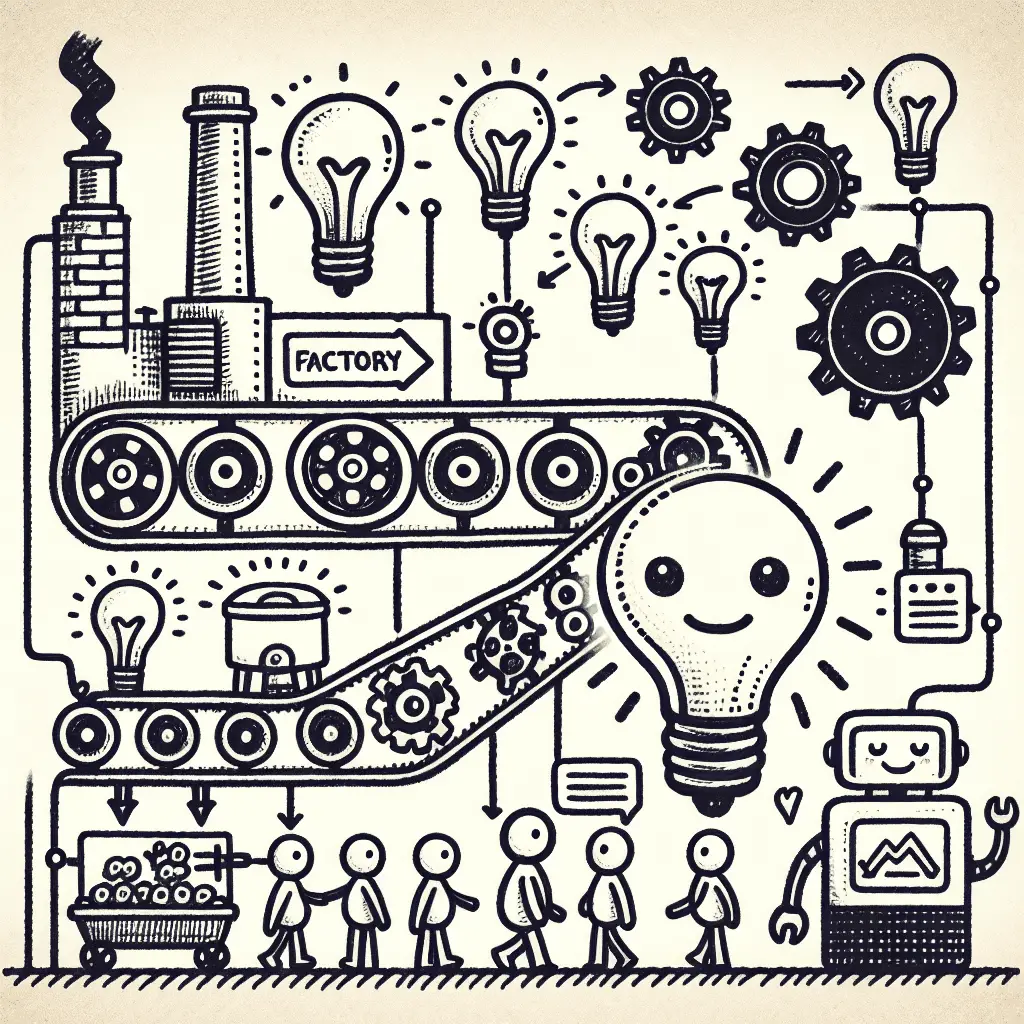

AI is everywhere. From automated emails to chatbots answering customer queries, AI is transforming the way businesses, especially small ones, approach marketing. While this is a win for efficiency and scalability, there’s an elephant in the room: Is your brand starting to sound more like a machine than a human?
For marketers, entrepreneurs, and small business owners, AI can either be your best friend—or that awkward co-worker who overshares. The secret sauce lies in blending automation with authenticity to build genuine connections with your audience. After all, no one ever said, “I really love how robotic that brand sounds.”
The Automation Dilemma—How Much Is Too Much?
Here’s the thing about automation: It can make our lives easier, but it can also make us lazy marketers. The line between personalization and “creepy robot vibes” is thin. Lean too heavily into automation, and you risk losing the personal touch that customers crave. 82% of consumers want brands to treat them as real people—not just an email address on a mailing list.
Automation can handle repetitive tasks like data analysis, social media scheduling, and email segmentation—but it lacks that human “oomph” that connects with audiences on an emotional level. Imagine receiving a perfectly timed email from your favorite store, only to realize it reads like it was written by HAL 9000 from 2001: A Space Odyssey.
How Automation Is Revolutionizing Marketing (Without Starting a Robot Uprising)
First, let’s give AI the credit it deserves. It’s not all doom and gloom! Automation has created huge advantages for digital marketing. Small business owners, in particular, can leverage AI to compete with bigger brands, freeing up time to focus on what they do best—running their businesses.
Here’s a quick breakdown of some AI-driven game-changers:
1. Personalized Customer Experiences at Scale
AI allows brands to send personalized content, which sounds fancy, but here’s the deal: personalization can be done at scale. For instance, Spotify curates music recommendations based on your previous listening habits. Is it perfect? No, it’s why I get EDM recommendations after one regrettable playlist, but it’s close!
Small businesses can tap into this power by using tools like HubSpot, which automates email marketing but still lets you personalize messages based on user data.
2. AI-Driven Content Creation
Yes, AI can generate blog posts, product descriptions, and even emails. Tools like Jasper AI and ChatGPT are becoming indispensable for marketers needing to produce content in bulk. But AI lacks one key ingredient: nuance. Sure, it can crank out thousands of words, but when was the last time you saw a chatbot write something with heart? (That’s my job.)
3. Chatbots: Good, But Not the Holy Grail
Speaking of chatbots, they can be a lifesaver for customer service. Take Drift, for example. This AI-powered chatbot tool can engage with customers 24/7, answering FAQs and routing more complex questions to human agents. But as handy as they are, chatbots can’t replace real human conversations when the issue goes beyond, “What’s your return policy?”
When AI Gets Creepy—The Risks of Over-Automation
We’ve all been there: you mention something to a friend, and minutes later, you’re served an ad for it. Is it coincidence, or is Big Brother really watching? (Spoiler: It’s AI, and sometimes it’s too good.)
Over-automation can make customers feel like they’re being watched—and nobody likes that. 60% of consumers are uncomfortable with the way companies use their personal data for marketing. To keep it real, businesses need to balance AI’s efficiency with transparency and empathy.
Real-Life Case Study: Sephora’s Beauty Chatbot
Sephora launched a chatbot on Facebook Messenger, offering personalized product recommendations and makeup tutorials. The catch? Sephora’s bot feels personal and fun, but if you need more in-depth help, a human makeup expert takes over. It’s automation working with a human touch, not against it.
Injecting Authenticity into AI—How to Keep It Real (Even When It’s a Bot)
So, how can you use AI without alienating your audience? The goal is to humanize your marketing efforts even when machines are doing some of the heavy lifting. Here are a few strategies to keep your messaging authentic, even in a world dominated by automation.
1. Find Your Brand Voice (And Stick to It)
Your brand voice is your secret weapon. Is your company cheeky? Thoughtful? Sarcastic? Your AI tools can reflect that. For example, Mailchimp uses a fun, quirky tone—even in their automated emails—giving their marketing a human feel. Make sure the personality of your brand is reflected in every automated message.
2. Personalize, But Don’t Be a Creep
Personalization is crucial, but keep it classy. When using AI to track customer behavior, don’t overdo it. There’s a difference between sending a timely reminder to restock on a product and bombarding them with every detail of their online shopping history. Transparency is key: let your customers know how their data is being used to improve their experience.
3. Blend AI with Human Interaction
AI isn’t here to take over; it’s here to assist. Small businesses should blend AI’s strengths—speed and efficiency—with real human interactions. For example, use AI to analyze customer feedback, but let a human make the final call on how to address complaints or respond to social media comments.
Real-Life Case Study: Starbucks’ AI-Driven Personalization
Starbucks uses AI to power its personalization engine, sending tailored offers and product recommendations to customers through the mobile app. But it doesn’t stop there. The company frequently engages with customers directly on social media, mixing AI-driven marketing with genuine human interaction to build trust.
Tools to Humanize Your AI Strategy
You don’t need to be an AI expert to humanize your marketing efforts. Here are a few tools that can help:
- Drift: For conversational marketing via chatbots, with options to escalate to human agents.
- Grammarly: Ensures your AI-generated content sounds natural and reflects your brand’s tone.
- HubSpot CRM: Automates repetitive marketing tasks while keeping personalization front and center.
- Loom: Create personalized video messages to complement AI-generated content and build trust with customers.
Building Trust in the Age of AI
At the end of the day, marketing is about building relationships. And while AI helps you scale, it can’t replace the emotional connection between a brand and its audience. Authenticity isn’t just a buzzword; it’s essential in maintaining trust, and trust is what drives conversions.
So, when you’re using AI to streamline your marketing efforts, remember that customers want to feel valued, not managed. Keep the human touch in your strategy, and you’ll be well on your way to creating a marketing machine that’s both efficient and authentic.
Ready to Humanize Your AI?
Now that you’re armed with strategies to blend AI and authenticity, take a closer look at your current marketing efforts. Are you leveraging automation to build connections, or are you falling into the trap of impersonal, robotic messaging?
It’s time to find that sweet spot where AI does the heavy lifting while your brand’s human side shines through. Ready to bring your marketing strategy to life? Let’s get started.